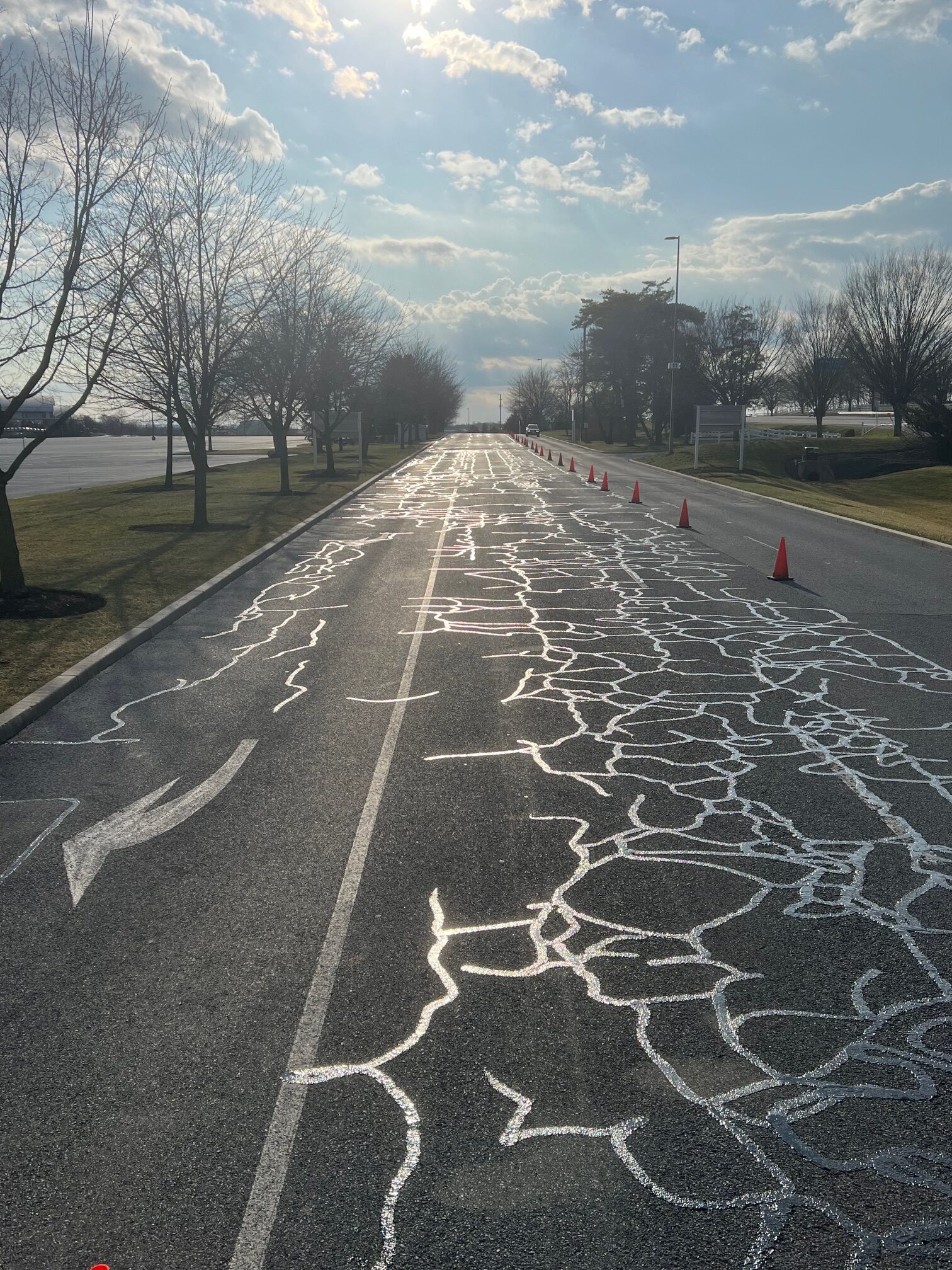
Cracks in asphalt parking lots are inevitable. Over time, natural aging, water infiltration, freeze-thaw
cycles, and heavy traffic all contribute to pavement deterioration. However, when you
repair cracks in your parking lot can make the difference between affordable commercial pavement
maintenance and costly reconstruction.
Proactive parking lot crack filling helps prevent water from penetrating the pavement
structure, protects the base layers, and extends the life of your asphalt investment. For
commercial properties, timely maintenance also improves safety, appearance, and long-
term durability.
Identifying pavement damage early can prevent minor cracks from turning into major
structural problems. Watch for these common signs that your parking lot needs crack
filling or repair:
In Pennsylvania’s climate, parking lots should typically undergo crack filling services at least once per year as part of a preventative maintenance plan. However, the urgency of repairs often depends on the type and severity of the cracks.
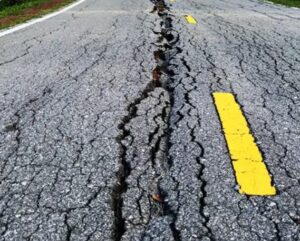
Transverse cracks run perpendicular to the pavement centerline, while longitudinal cracks run parallel to the asphalt. These cracks often form due to temperature fluctuations, pavement movement, or structural stress.
If left untreated, these transverse and longitudinal cracks quickly expand and allow water to infiltrate the pavement base. Prompt crack filling is essential to prevent further spreading and deterioration of your commercial parking lot.
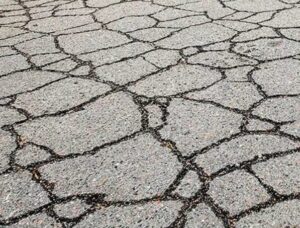
Block cracks form a rectangular pattern across the pavement surface, while edge cracks develop near the sides of the parking lot.
These cracks typically result from aging asphalt, poor drainage, or improper installation. While they may not require immediate reconstruction, they indicate that preventative maintenance like crack sealing and sealcoating is needed to stop widespread deterioration.
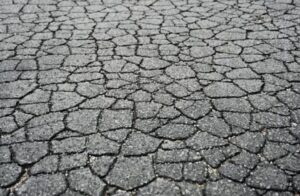
Certain cracks signal deeper structural problems and cannot be repaired with crack filling alone.
Alligator cracking appears as a series of interconnected cracks resembling reptile skin. This pattern indicates structural failure caused by heavy loads or a weakened base layer.
Slippage cracks form when the bond between asphalt layers fails, often due to poor installation or traffic stress. In these cases, the damaged areas must be removed and replaced.
When it’s time to repair cracks in your parking lot, working with experienced professionals ensures long-lasting results.
At Daniel B. Krieg, we provide commercial parking lot crack-filling services throughout Pennsylvania using high-quality, PennDOT-approved rubberized crack sealant designed to remain flexible through seasonal temperature changes Our preventative maintenance services help property owners extend pavement life, reduce repair costs, and maintain safe, attractive parking areas.Contact us today to schedule professional crack filling and protect your pavement investment.